
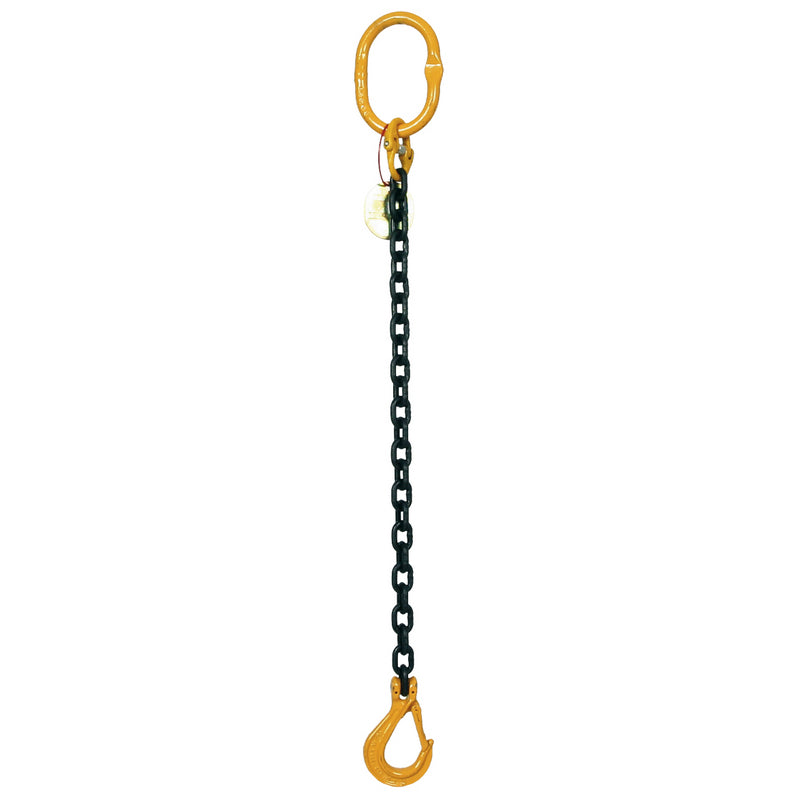
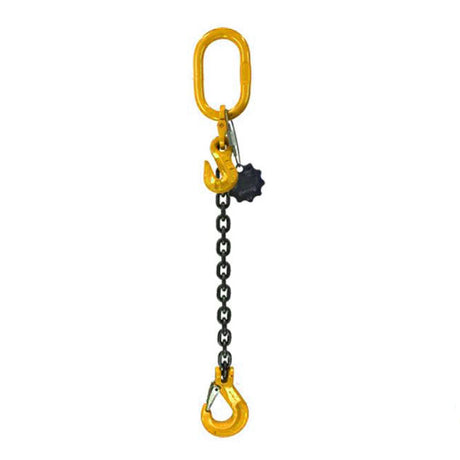
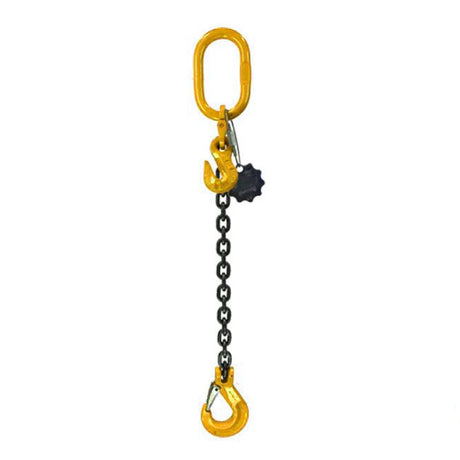
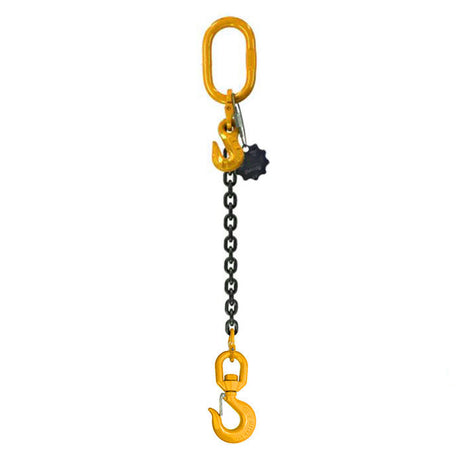
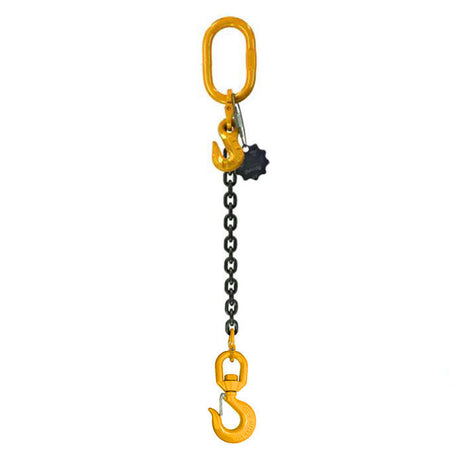
2 Ton Grade 8 Single Leg Chain Sling with Shortener and Sling Hook
From£39.00 (incl VAT) £32.50 (excl VAT)Unit price /-
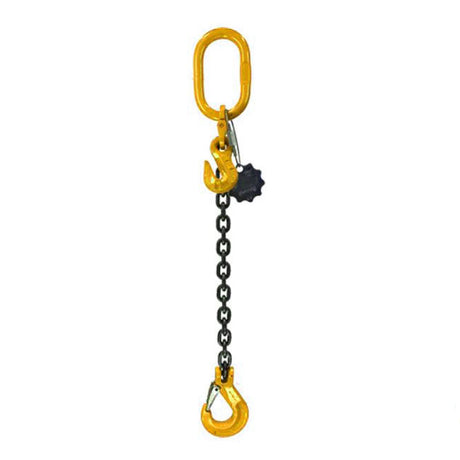
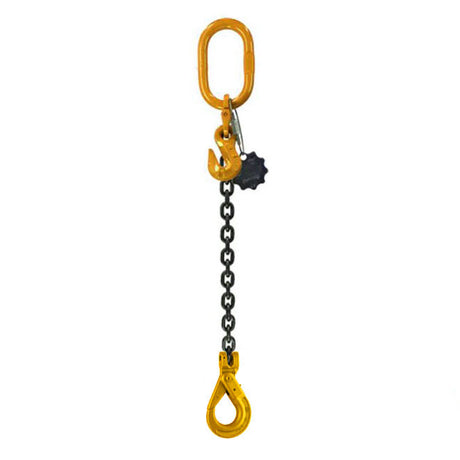
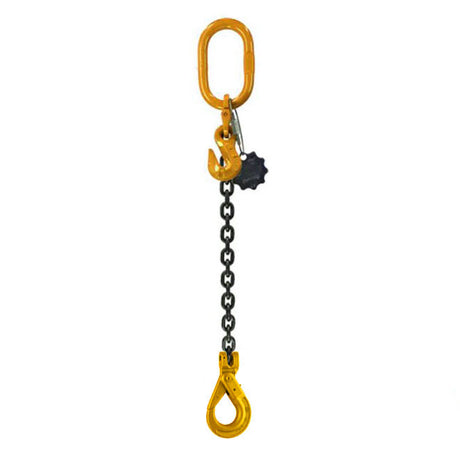
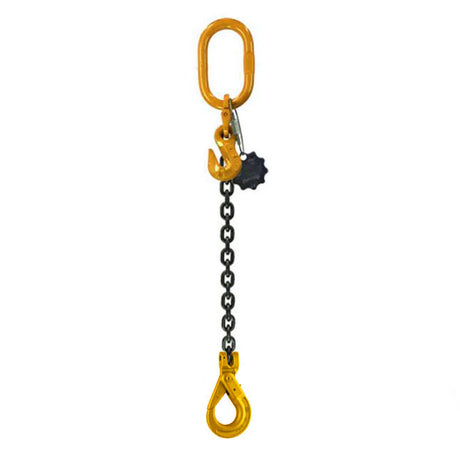
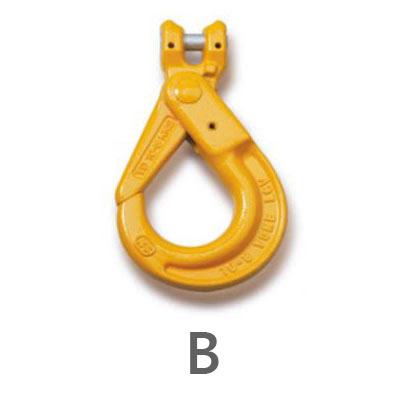
2 Ton Grade 8 Single Leg Chain Sling with Shortener and Self-Locking Hook
From£50.00 (incl VAT) £41.67 (excl VAT)Unit price /-
3.15 Ton Grade 8 Single Leg Chain Sling with Shortener and Sling Hook
From£58.00 (incl VAT) £48.33 (excl VAT)Unit price /-
3.15 Ton Grade 8 Single Leg Chain Sling with Shortener and Self-Locking Hook
From£72.00 (incl VAT) £60.00 (excl VAT)Unit price /-
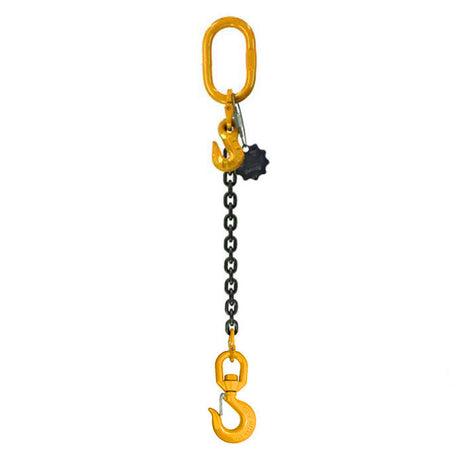
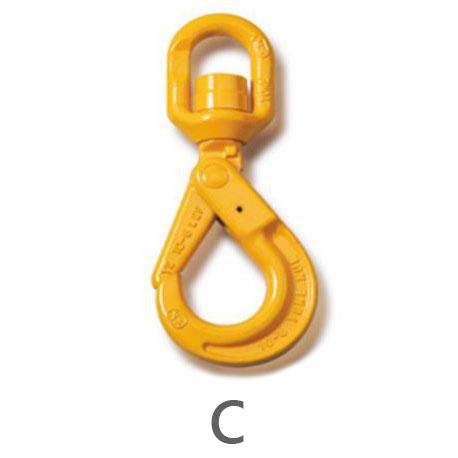
2 Ton Grade 8 Single Leg Chain Sling with Shortener and Swivel Hook
From£74.00 (incl VAT) £61.67 (excl VAT)Unit price /-
5.3 Ton Grade 8 Single Leg Chain Sling with Shortener and Sling Hook
From£96.00 (incl VAT) £80.00 (excl VAT)Unit price /-
3.15 Ton Grade 8 Single Leg Chain Sling with Shortener and Swivel Hook
From£112.00 (incl VAT) £93.33 (excl VAT)Unit price /-
5.3 Ton Grade 8 Single Leg Chain Sling with Shortener and Self-Locking Hook
From£129.00 (incl VAT) £107.50 (excl VAT)Unit price /-
5.3 Ton Grade 8 Single Leg Chain Sling with Shortener and Swivel Hook
From£201.00 (incl VAT) £167.50 (excl VAT)Unit price /-
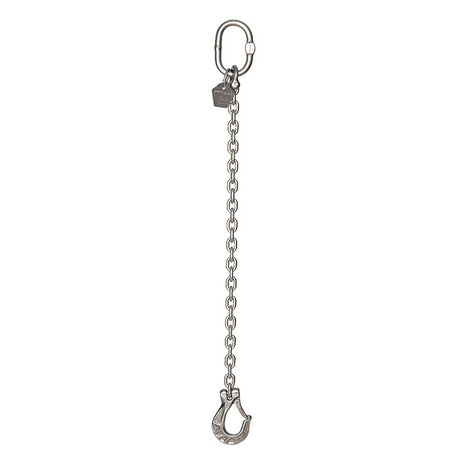
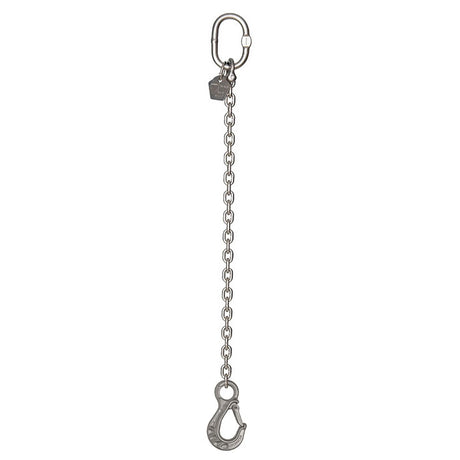
0.90 Ton Cromox Stainless Steel Single Leg Chain Sling with Clevis Sling Hook
From£392.00 (incl VAT) £326.67 (excl VAT)Unit price /-
1.55 Ton Cromox Stainless Steel Single Leg Chain Sling with Clevis Sling Hook
From£459.00 (incl VAT) £382.50 (excl VAT)Unit price /-
2.45 Ton Cromox Stainless Steel Single Leg Chain Sling with Clevis Sling Hook
From£760.00 (incl VAT) £633.33 (excl VAT)Unit price /-
3.85 Ton Cromox Stainless Steel Single Leg Chain Sling with Sling Hook
From£760.00 (incl VAT) £633.33 (excl VAT)Unit price /-
faqs about single leg chain slings
What materials are single leg chain slings made from?
What materials are single leg chain slings made from?
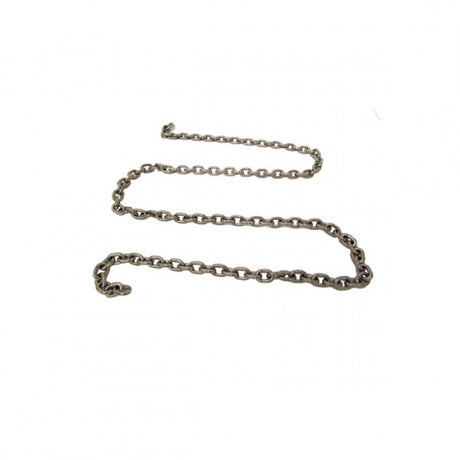
Most single leg chain slings on our catalog are made from Grade 8 alloy steel for high tensile strength and durability. Some options include Grade 6 stainless steel for enhanced corrosion resistance in specific environments.
What types of hooks can be fitted to a single leg chain sling?
What types of hooks can be fitted to a single leg chain sling?
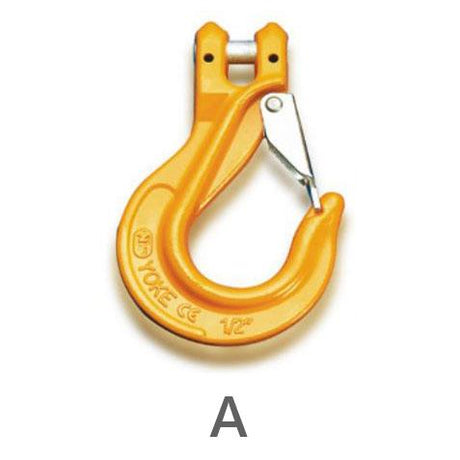
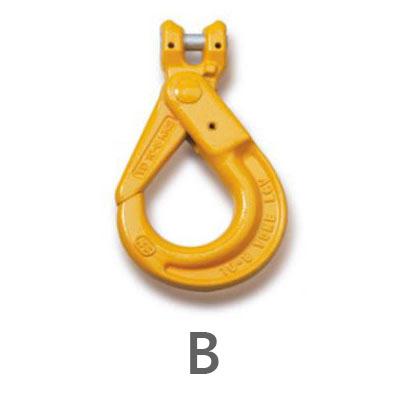
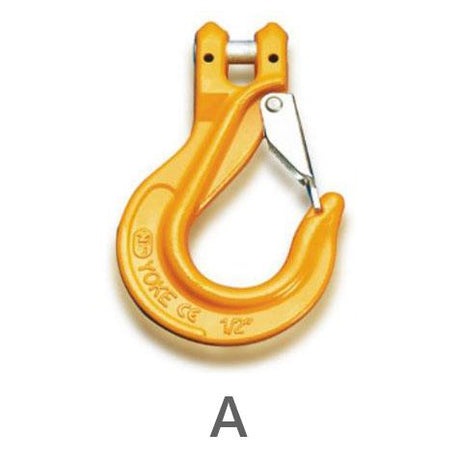
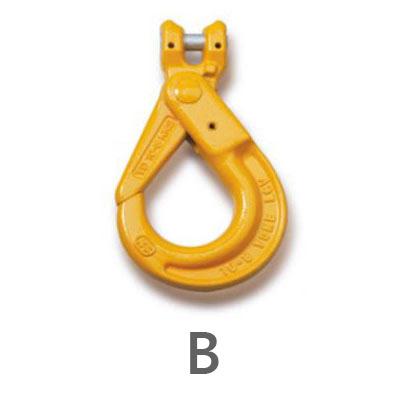
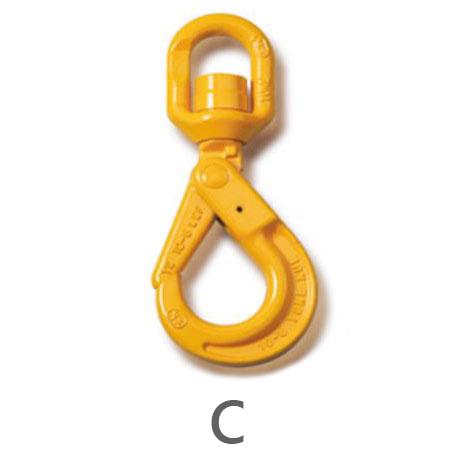
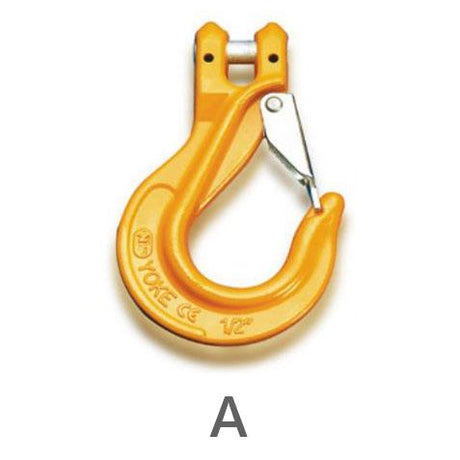
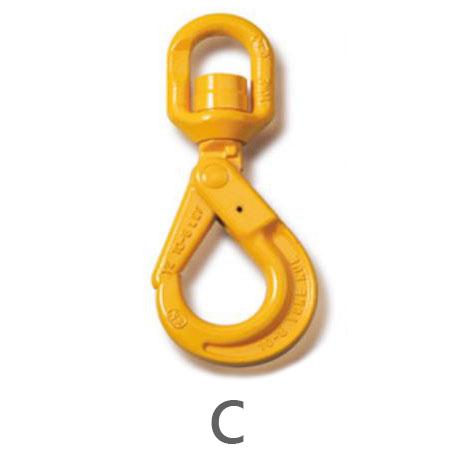
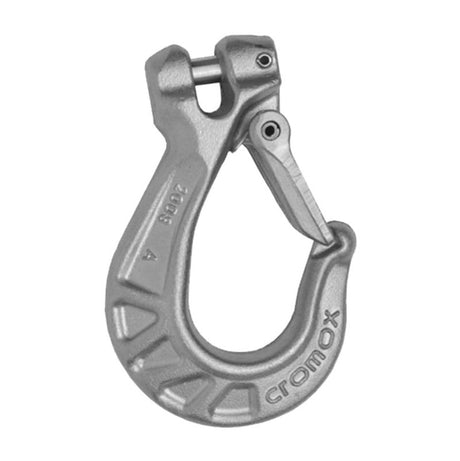
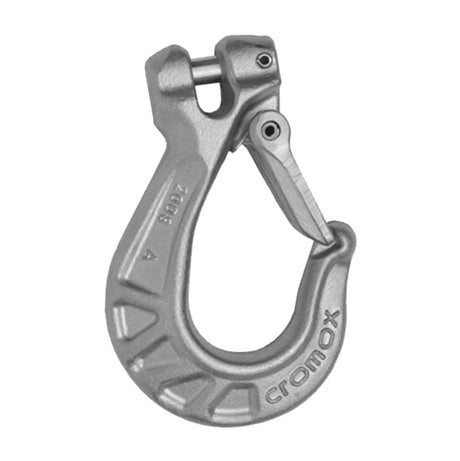
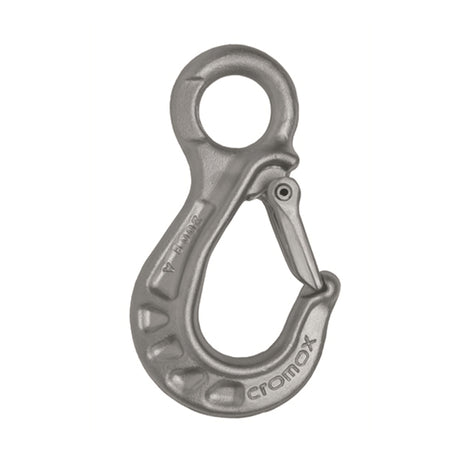
You can customise slings with various end fittings such as self-locking hooks, swivel hooks, clevis sling hooks, or standard sling hooks depending on your application and load connection needs.
Is proof load testing necessary for chain slings?
Is proof load testing necessary for chain slings?
Yes. Proof load testing, which in this case is 2.5× the working load limit, verifies that the sling can withstand loads significantly above its rated capacity without deforming, ensuring reliability and safety under heavy use.
Are single leg chain slings compliant with UK safety regulations?
Are single leg chain slings compliant with UK safety regulations?
Yes. All our single leg chain slings are supplied with certification and are compliant with UK lifting equipment regulations, including LOLER 1998 and PUWER 1998, ensuring they meet statutory safety requirements before use.
Do I need training to use a single leg chain sling safely?
Do I need training to use a single leg chain sling safely?
Yes. Safe rigging, correct selection of lifting points, load assessment, and inspection are critical for lifting operations. We developed our certified Chain Slings Safety Awareness Course to ensure operators understand safe practices and legal compliance.
Can single leg chain slings be repaired if damaged?
Can single leg chain slings be repaired if damaged?
No. If a chain sling shows signs of wear, elongation, cracks or deformation, it should be taken out of service and replaced. Repairs are not recommended because they compromise certified working load limits.